



Nutritional Delights of Double-Skinned Crabs: A Closer Look
NUTRITION
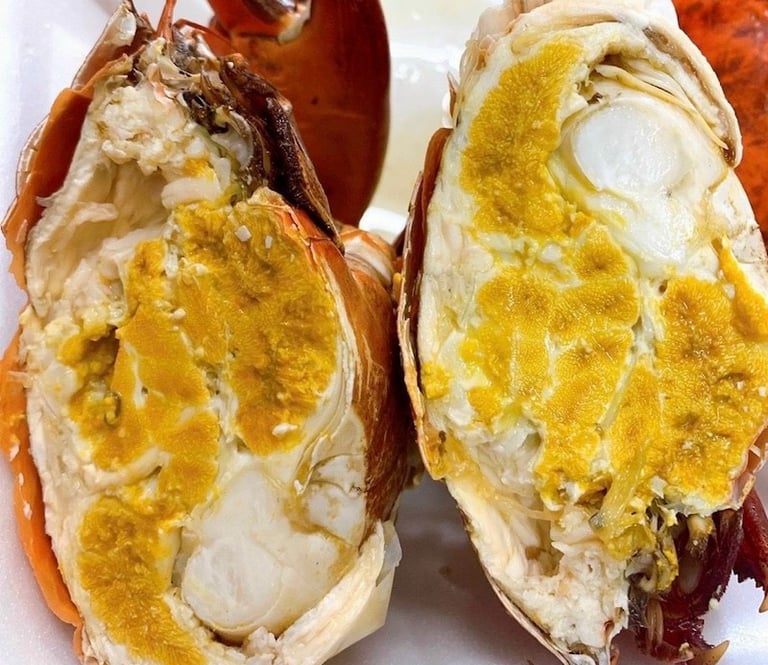

Celebrate the nutritional richness of soft-shell crabs, also known as double-skinned crabs, as we explore their benefits. Discover their protein-packed goodness, low-fat profile, essential vitamins and minerals, and heart-healthy omega-3 fatty acids. Dive into the delightful world of soft-shell crabs and savor their nutritional treasures."
Double-skinned crabs, often referred to as soft-shell crabs, offer not only a unique culinary experience but also various nutritional benefits. Here's an overview of the nutrition you can find in soft-shell crabs:
Protein: Soft-shell crabs are an excellent source of high-quality protein. Protein is essential for building and repairing tissues, making it an important part of a balanced diet. A 3-ounce (85-gram) serving of soft-shell crab typically contains around 13-15 grams of protein.
Low-Fat Content: Soft-shell crabs are relatively low in fat, particularly saturated fat, making them a lean source of protein. This can be appealing to those looking to manage their fat intake.
Omega-3 Fatty Acids: Some types of soft-shell crabs, like blue crabs, contain omega-3 fatty acids. Omega-3s are beneficial for heart health, brain function, and reducing inflammation.
Vitamins and Minerals: Soft-shell crabs provide essential vitamins and minerals, including:
Vitamin B12: Crucial for nerve function and red blood cell production.
Selenium: A powerful antioxidant that supports the immune system and thyroid function.
Zinc: Important for immune function, wound healing, and metabolism.
Copper: Required for various enzymatic processes and maintaining healthy bones and nerves.
Low in Calories: Soft-shell crabs are relatively low in calories, making them a good option for those on calorie-restricted diets. A 3-ounce serving typically contains around 80-90 calories.
Low Carbohydrates: Soft-shell crabs are naturally low in carbohydrates, which can be beneficial for people following low-carb diets.
Cholesterol: While crab meat does contain cholesterol, it's not excessively high. For individuals watching their cholesterol intake, soft-shell crabs can still be enjoyed in moderation as part of a balanced diet.
It's important to note that the exact nutritional content can vary depending on factors such as the type of crab, preparation method, and serving size. Soft-shell crabs are often served in various culinary dishes, such as sandwiches, salads, or as a main course, so the overall nutritional profile may be influenced by the preparation and accompanying ingredients.
As with any food, moderation and variety are key to maintaining a balanced diet. If you have specific dietary concerns or health conditions, it's advisable to consult with a healthcare professional or registered dietitian to determine how soft-shell crabs fit into your nutritional goals.
Related Stories
Seamorny Holdings PTE. LTD © 2023
Đăng Ký Nhận Bản Tin
Nhận trực tiếp vào hộp thư của bạn công thức món ngon, tin tức mới nhất và các ưu đãi đặc biệt từ chúng tôi.
SEAMORNY HOLDINGS PTE. LTD
Trụ sở chính:
77 HIGH STREET,
#10-12B HIGH STREET PLAZA,
SINGAPORE 179433
UEN: 202334925K
Văn phòng tại Việt Nam
D3 Hồng Kỳ, Phường Cát Lái, Thành Phố Hồ Chí Minh
Tax Code: 0318047553
Liên hệ
Hotline 1: (+84) 898 889 498
Hotline 2: (+84) 898 477 448
Email: info@seamorny.com