


From Hatchery to Harvest: Nurturing the Delicacy of Crab Farming
In the world of aquaculture, crab farming stands out as a meticulous and rewarding venture that marries sustainable practices with culinary excellence. Whether you're a seafood enthusiast, a prospective farmer, or simply intrigued by the intricate processes behind the scenes, let's dive into the fascinating realm of crab farming.
CRAB STORIES
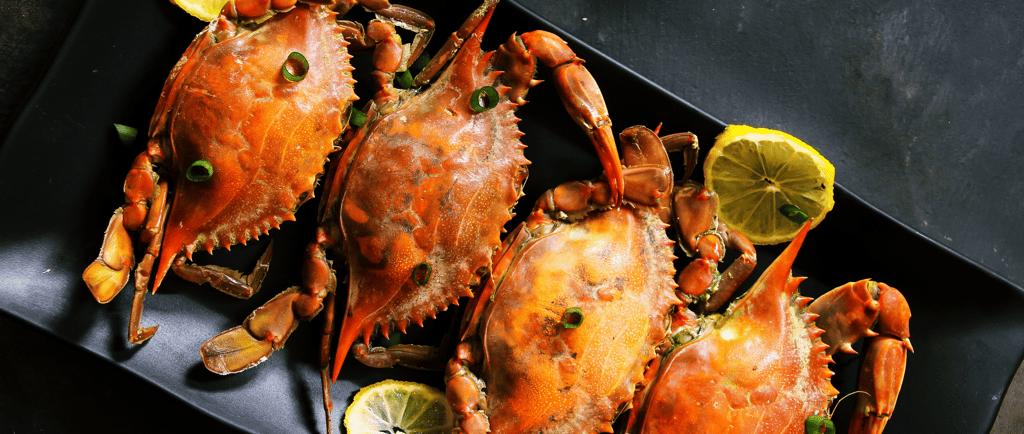
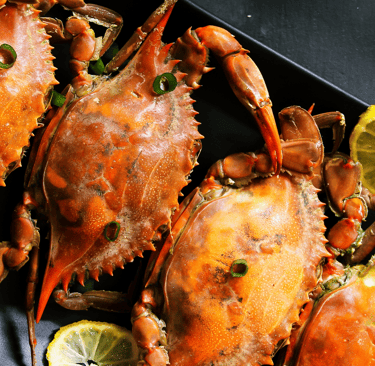
Crab farming, also known as crab aquaculture, is an innovative practice that involves the controlled breeding, rearing, and harvesting of crabs in captivity. This method not only meets the growing demand for crabs in international markets but also provides an environmentally conscious alternative to wild harvesting.
1. Setting Up the Hatchery:
The journey begins in a crab hatchery, where carefully selected broodstock crabs release their eggs. These eggs hatch into larvae, and the hatchery provides a controlled environment conducive to their early development. It's here that the foundations of a successful crab farm are laid.
2. Nursery Care:
Tiny crab larvae need attentive care during their early stages. They are transferred to nurseries equipped with specialized tanks that mimic natural conditions. Nutrition, water quality, and temperature are meticulously monitored to ensure optimal growth.
3. Grow-Out Ponds:
As the crabs mature, they are moved to larger grow-out ponds. These ponds replicate the natural habitat of crabs, allowing them to feed, molt, and grow. Farmers closely monitor water quality and provide a balanced diet to foster healthy development.
4. Sustainable Practices:
Crab farming emphasizes sustainable practices to minimize environmental impact. This includes responsible feed management, waste control, and the use of eco-friendly technologies to create a harmonious coexistence between aquaculture and the ecosystem.
5. Disease Management:
Ensuring the health of the crab population is paramount. Farmers employ rigorous disease management protocols, including regular health checks, vaccinations, and the use of probiotics to maintain a robust and disease-resistant crab community.
6. Harvesting Techniques:
The culmination of months of meticulous care is the harvest. Farmers use specialized traps or harvest the crabs manually, ensuring minimal stress to the animals. Harvesting is often timed to coincide with market demand, ensuring freshness and flavor.
7. Market Impact:
Crab farming contributes significantly to the global seafood market, providing a reliable supply of crabs while reducing pressure on wild populations. The industry plays a pivotal role in meeting the demand for this culinary delicacy around the world.
Crab farming is a testament to the marriage of sustainable practices, scientific innovation, and culinary passion. As we appreciate the intricacies involved in nurturing these flavorful crustaceans, it's evident that crab farming not only satisfies the palate but also aligns with a commitment to environmental responsibility in the evolving landscape of aquaculture.
Considering starting a crab farm? Our article has the insights you need to make an informed decision. Explore the details and turn your crab farming aspirations into a reality! Click here!
Seamorny Holdings PTE. LTD © 2023
Đăng Ký Nhận Bản Tin
Nhận trực tiếp vào hộp thư của bạn công thức món ngon, tin tức mới nhất và các ưu đãi đặc biệt từ chúng tôi.
SEAMORNY HOLDINGS PTE. LTD
Trụ sở chính:
77 HIGH STREET,
#10-12B HIGH STREET PLAZA,
SINGAPORE 179433
UEN: 202334925K
Văn phòng tại Việt Nam
D3 Hồng Kỳ, Phường Cát Lái, Thành Phố Hồ Chí Minh
Tax Code: 0318047553
Liên hệ
Hotline 1: (+84) 898 889 498
Hotline 2: (+84) 898 477 448
Email: info@seamorny.com