


Crab Farming Unveiled: A Journey from Pond to Plate
Crab farming, or crab aquaculture, stands as a testament to the innovation and dedication of farmers who transform marine crustaceans into a sustainable source for local communities and international markets. This article delves into the intricate journey of crab farming, exploring the stages from pond to plate and shedding light on the complexities and rewards of this aquaculture venture.
CRAB STORIES
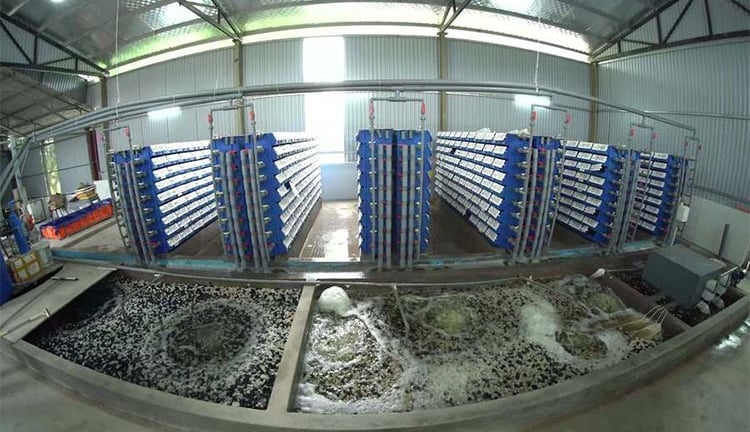
1. Selecting the Right Species: Crab farming begins with a critical decision – selecting the appropriate species. Farmers consider factors such as market demand, environmental suitability, and geographical location. Popular choices include mud crabs, blue crabs, and soft-shell crabs.
2. Hatchery and Larval Rearing: The journey commences in specialized hatcheries, where meticulous care is given to nurture crab larvae. Larval rearing involves maintaining optimal conditions, including precise control over water quality and temperature, ensuring the healthy development of these tiny creatures.
3. Nursery Phase: As the larvae progress in their development, they are transferred to nurseries. Here, under controlled conditions, they continue their growth with tailored diets to facilitate the transition into juvenile crabs.
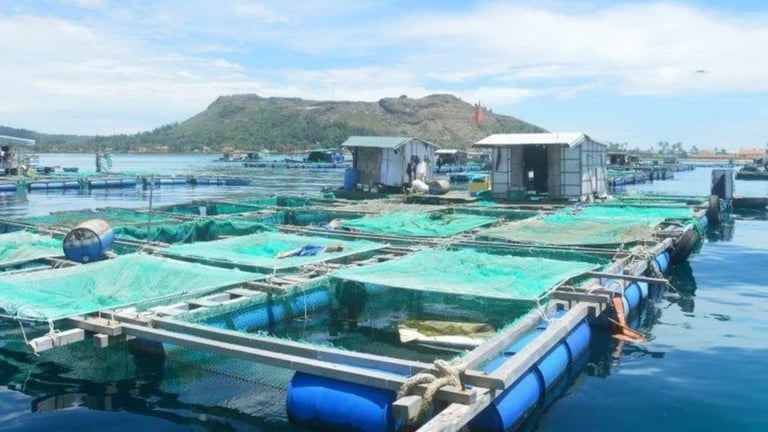
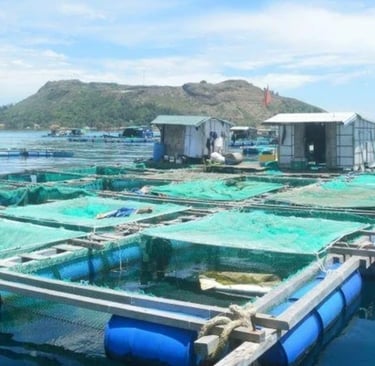
4. Pond Culture Systems: Juvenile crabs move to larger ponds, marking the shift to pond culture systems. Farmers employ various methods – extensive or semi-intensive – depending on factors like species and farm scale, to provide the most conducive environment for growth.
5. Feeding and Growth: Nutrition plays a pivotal role in the success of crab farming. A carefully balanced diet is provided to ensure optimal growth, with the feeding regimen adjusted based on the species and their specific dietary needs.
6. Disease Management: Disease prevention is a top priority in crab farming. Farmers implement regular monitoring, maintain water quality, and enforce strict biosecurity measures to minimize the risk of diseases affecting the crab population.
7. Harvesting Techniques: Harvesting is a delicate process that requires precision. Farmers utilize various techniques, such as trapping, netting, or draining ponds, to collect mature crabs. The timing of harvesting is crucial to ensure the crabs have reached the desired size.
8. Post-Harvest Handling: Following harvesting, crabs undergo meticulous post-harvest handling, encompassing cleaning, sorting, and packaging. Adhering to industry standards ensures the maintenance of product quality and compliance with export requirements.
9. Sustainable Practices: In response to growing environmental awareness, crab farmers are increasingly adopting sustainable practices. These include responsible water management, minimizing environmental impact, and adhering to ethical farming standards for the long-term viability of the industry.
10. Market Access and Global Demand: Crab farming plays a pivotal role in meeting the global demand for crab products. Through adherence to best practices and obtaining necessary certifications, crab farmers gain access to international markets, contributing to the economic impact of this thriving aquaculture industry.
At its core, crab farming is a precise and scientific undertaking that harmonizes environmental care, industry excellence, and a dedication to quality. Guiding these steps from pond to plate, crab farmers actively play a role in delivering a sustainable and delightful seafood source to consumers across the globe.
Seamorny Holdings PTE. LTD © 2023
Đăng Ký Nhận Bản Tin
Nhận trực tiếp vào hộp thư của bạn công thức món ngon, tin tức mới nhất và các ưu đãi đặc biệt từ chúng tôi.
SEAMORNY HOLDINGS PTE. LTD
Trụ sở chính:
77 HIGH STREET,
#10-12B HIGH STREET PLAZA,
SINGAPORE 179433
UEN: 202334925K
Văn phòng tại Việt Nam
D3 Hồng Kỳ, Phường Cát Lái, Thành Phố Hồ Chí Minh
Tax Code: 0318047553
Liên hệ
Hotline 1: (+84) 898 889 498
Hotline 2: (+84) 898 477 448
Email: info@seamorny.com